
Technique / Tent

Imagine you are on a photo shoot in Cozumel, Mexico. You have a top-notch team, the creative director is friendly, you have great models, the weather is gorgeous, the beach is out of a picture book… everything is just perfect.
But then it isn’t: The client wants a WHITE background. And the clothes are WHITE too.
Over the years, I have seen many photographers come and go. Some of them were in business for years, some of them only a season or two. And many times you wonder why some are booked over and over again, while others have a few great jobs and then disappear. The answer: Part of the business — in fact, the biggest part of the business — is problem-solving. Problem-solving really is what you get paid for.
There are hardly any jobs where you don't face challenges that need to be resolved. And obviously, the first step in problem-solving is identifying the issue.
Case Study / White Tent
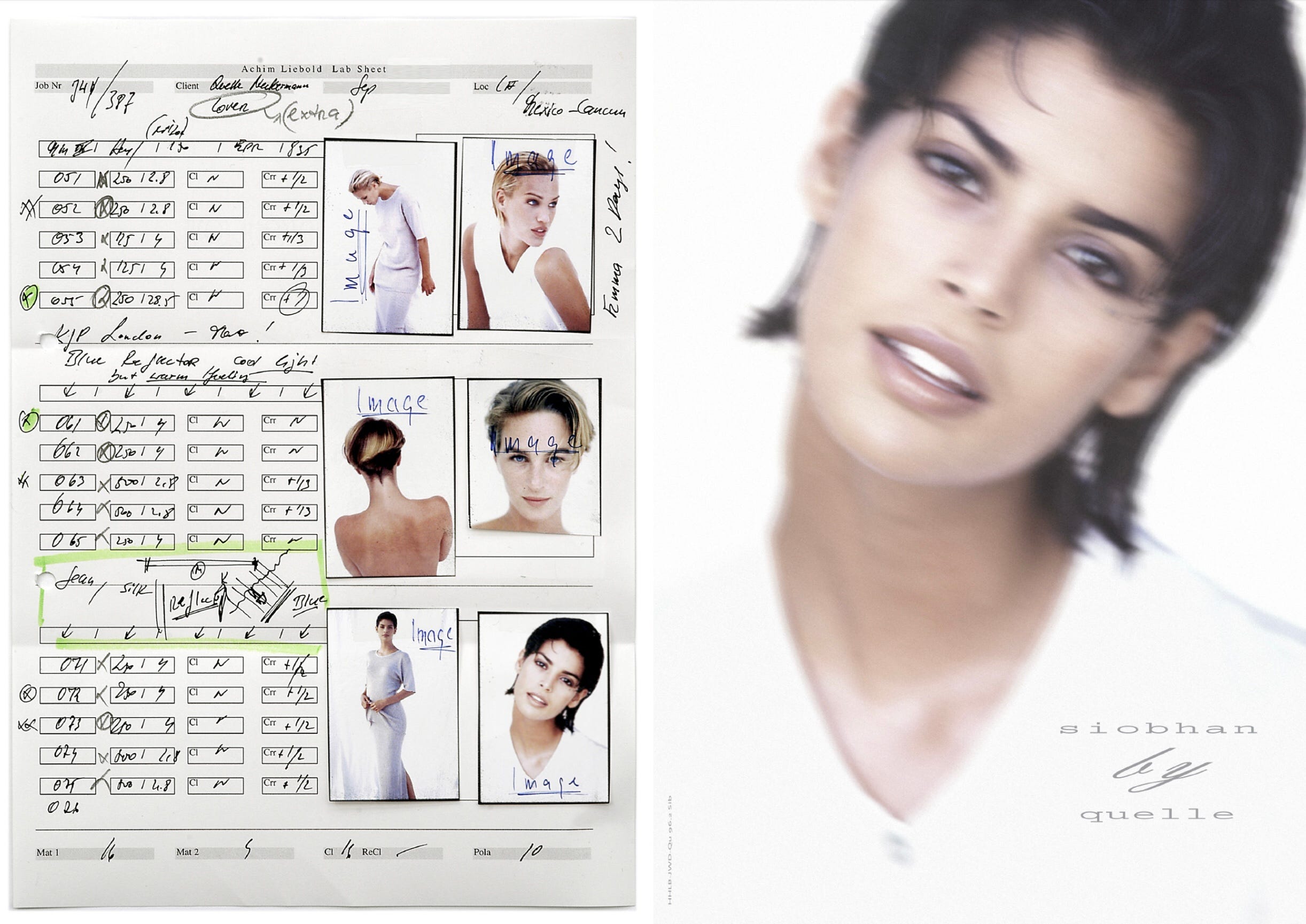
It might not be obvious to the client, it might not even be obvious to the photographer, but white clothes in front of a white background is a technical challenge. And once you screw up, you learn your lesson: What you see is NOT what your camera’s sensor captures, and definitely not what you will see on a printed page in a magazine.
Our eyes have an incredibly wide range, and the white clothes in front of a white background look gorgeous. Every little nuance is perfectly balanced. But once captured and printed, all the nuances and perfectly balanced shades of white are gone and "washed out."
Just imagine you see 1000 different shades of grey. Zero is pitch black, 1000 is total white, and 500 is neutral grey. If you zoom into the top 100 shades of white from 900 to 1000, you see 100 different shades of white.
Now imagine your camera’s sensor and the printed magazine page only see 100 different shades of grey: zero again, pitch black, and 100 total white. Your initial 100 shades of white, with all their beautiful nuances, are simply lost, and you only see a very rough version of what your eyes perceive.
This is what I mean by identifying the problem.
To solve the problem, I was having an espresso with the hotel manager and left her office with a trolley full of bedsheets and all the ladders the hotel had.
After an hour and hundreds of pins, we built a massive tent. Four bedsheets pinned together and tied onto trees created the sidewalls, and four bedsheets roped between the sidewalls created the background. The remaining sheets were held by assistants, drivers, and location scouts high on ladders, creating the roof.
This whole set-up solved two problems: First, we had a beautiful white background, and secondly, we had a very graduated and soft light.
The point I am trying to make: If you shoot white clothes on a white background, there are places to go to. Deauville in France is one of them. Just at the English Channel, the beach is chamois white, the sky is always grey and foggy, and on any day, you’ll probably see six other fashion photographers in the distance. (See also Technique Deauville). Why? Because the light is so incredibly soft that not only white clothes but really everything just looks beautiful.
But if you are not in Deauville and the sky is not grey and foggy, build a tent!